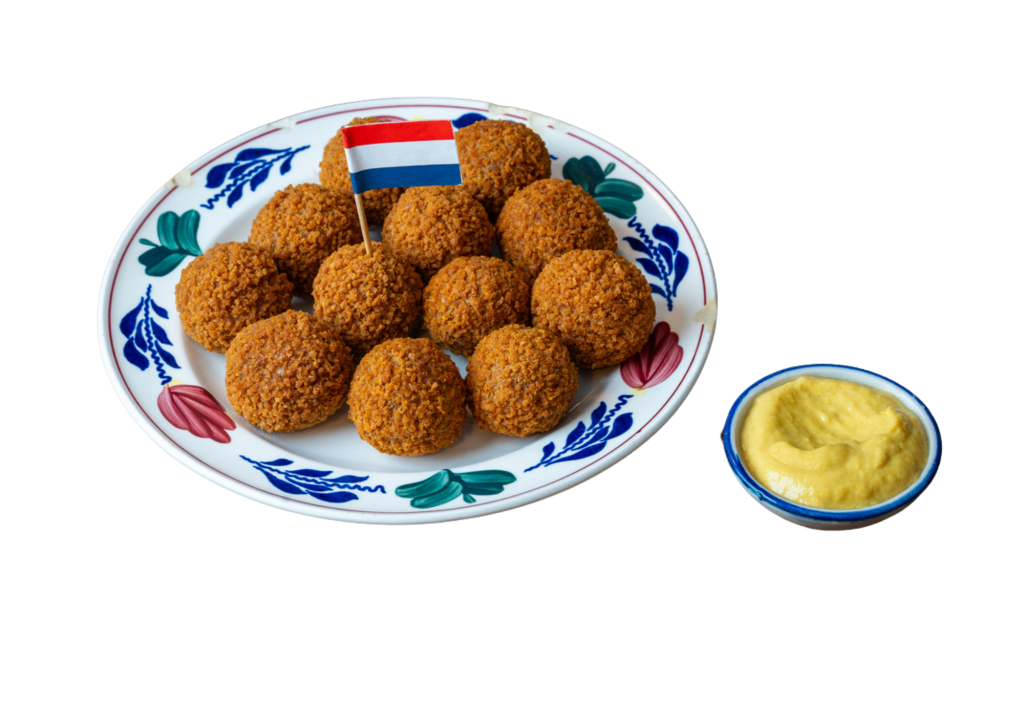


De Bitterballenboot
De Bitterballen boot

De Bitterballenboot
On April 4, 1996, a group of enthusiasts from the Terherne area founded the “De Fryske Boerepream” Foundation. Their goal was to revive the traditional Frisian farmer’s sailing barge, known as the boerepream. To ensure authenticity, class regulations were established.
The foundation began with four barges — from that moment referred to as preammen. Over time, the group grew steadily, and in October 2002, the foundation was converted into an association.
Today, the fleet consists of around fifty registered and unregistered preammen. Each year, the association organizes sailing competitions, culminating in the Frisian Championship.
Authentic Amsterdam Experience
Discover Amsterdam from an authentic perspective. Our cruises take you past both popular highlights and hidden gems, enriched by engaging stories and historical insights. It’s an experience you won’t soon forget.
Personal Attention and Quality
At Leemstar, we believe in personal service. Our friendly, experienced skippers ensure every guest feels special. Enjoy comfortable boats and unique cruising experiences, with your enjoyment always our top priority.
Free cancellation
Full refunds or credits provided if cancelled 48 hours in advance.
No-shows charged full price.
Contact us by phone to cancel.
History
In the past, farmers had their land in places that were best reached by water. Central and southwestern Friesland in particular were rich in water, and the road network was not as extensive as it is today. Most farmers were “Komelkers.” They owned a number of cows and some land, which was often fragmented and far apart. Tools, livestock, hay, grass, manure, etc. had to be transported by water. In the 19th and first half of the 20th centuries, barges were usually used for this purpose. These were often built on local slipways, such as Bijlsma in Warten or Westerdijk in Terherne, or by a local blacksmith. The client specified the dimensions, which were tailored to the number of cows to be transported and the waterways to be navigated.
In the spring, the cattle were transported to the land by barge. Horses were also taken along in the barge. On the way back, the hay and milk could be added. If the barge had to be moved through ditches and canals, a towline, punting pole, or push pole (trilker) was used. If lakes and pools had to be crossed, a sail was usually available.
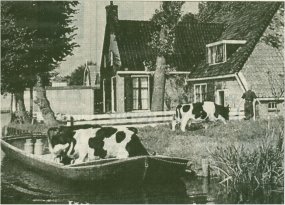
In the spring, cattle were transported to the fields by barge. Horses were also transported on the barge. On the return trip, the hay and milk could be added. If the barge had to be moved through ditches and canals, a towline, a barge pole, or a push pole (trilker) were used. If the barge had to be moved across lakes and ponds, a sail was usually available.
Barges weren’t the only ones used by cattle farmers. Farmers used them to transport vegetables, fruit, potatoes, beets, and so on. There were also barges that used a barge to transport manure, peat, or mound soil. These goods were then sold to skûtsje barges, who then resold them elsewhere. Conversely, the skûtsjes sometimes brought goods, which were then transported back inland by the smaller barges.
Barges were initially made of wood, but were soon replaced by iron ships. This was much cheaper, more durable, and easier to maintain.
Reviews
EXCELLENTTrustindex verifies that the original source of the review is Google. I wish I remembered his name, but our guide from the 7pm tour on 8/18/2025 was fantastic. He was so knowledgeable of the history of Amsterdam and was kind and personable. We enjoyed the views, the stories, and the drinks.Trustindex verifies that the original source of the review is Google. We took a ride with Karim and he was absolutely fantastic! So much knowledge and even a bit different take and path than when I went on a different cruise with Floris! We loved the smaller boat with only a few other people! We were able to ask many questions of him and he had all the answers! He definitely knows the ins and outs of Amsterdam! Highly recommend him to be your tour guide!Trustindex verifies that the original source of the review is Google. We had a wonderful tour today on the Leemstar cruise. We booked our tour through our hotel, the Andaz. The boat was beautiful and our skipper was very kind and helpful. It was a beautiful day and we had a wonderful time. Highly recommended.Trustindex verifies that the original source of the review is Google. The best boat tour in the best city. You will not regret this excursion. 5 starsTrustindex verifies that the original source of the review is Google. This was a really fun and relaxing way to see the city and learn about it. Karim was a great host/captain. He knew all about the city and its canals and buildings. We learned a lot while relaxing and having a drink. Highly recommended!Trustindex verifies that the original source of the review is Google. Karim was great; very knowledgeable, friendly, and funny. Highly recommended!Trustindex verifies that the original source of the review is Google. Small group and a wonderful guide made this experience rather enjoyable. Must do when visiting Amsterdam!Trustindex verifies that the original source of the review is Google. I cannot leave enough stars or praise for the Leemstar Amsterdam cruise we went on during our brief stay. The skipper was an incredible personality and wealth of knowledge, the information was presented in digestible and engaging ways. Hands down, this was the highlight of a whirlwind trip and would have been even if the trip had been longer. Thank you for giving us a moment to breathe and truly encounter Amsterdam.Trustindex verifies that the original source of the review is Google. Floris was a wonderful tour guide — the tour was informative and fun. Highly recommend!Trustindex verifies that the original source of the review is Google. Great boat, lovely cruise, knowledgeable captain. Suitable for families with young kids and group of friends. Recommended!Verified by TrustindexTrustindex verified badge is the Universal Symbol of Trust. Only the greatest companies can get the verified badge who has a review score above 4.5, based on customer reviews over the past 12 months. Read more
FAQ
Do I have to make a reservation?
If you have made an online reservation for the public canal cruise, you are welcome to board the boat. This reservation says when and where the cruise will take place. We advice to book in advance to make sure you have a spot.
How do I book a boat trip?
You can book your cruise by selecting the boat, the date and departure time and length of the cruise through our website. The bookingssystem FareHarbor will take you through the reservationtool step by step.
What is the difference between private and shared?
You can book a shared cruise with other guests who also booked on that day and time. If you book a private cruise than there are no other guests that aren’t known to you.
How can I cancel a reservation?
You can cancel your cruise, not later than, 48 hours before the cruise by calling to us via +31 6 166 166 90.
Historie of Bitterballs